The Power of a Sustained Dopamine Hit
Dec 21, 2025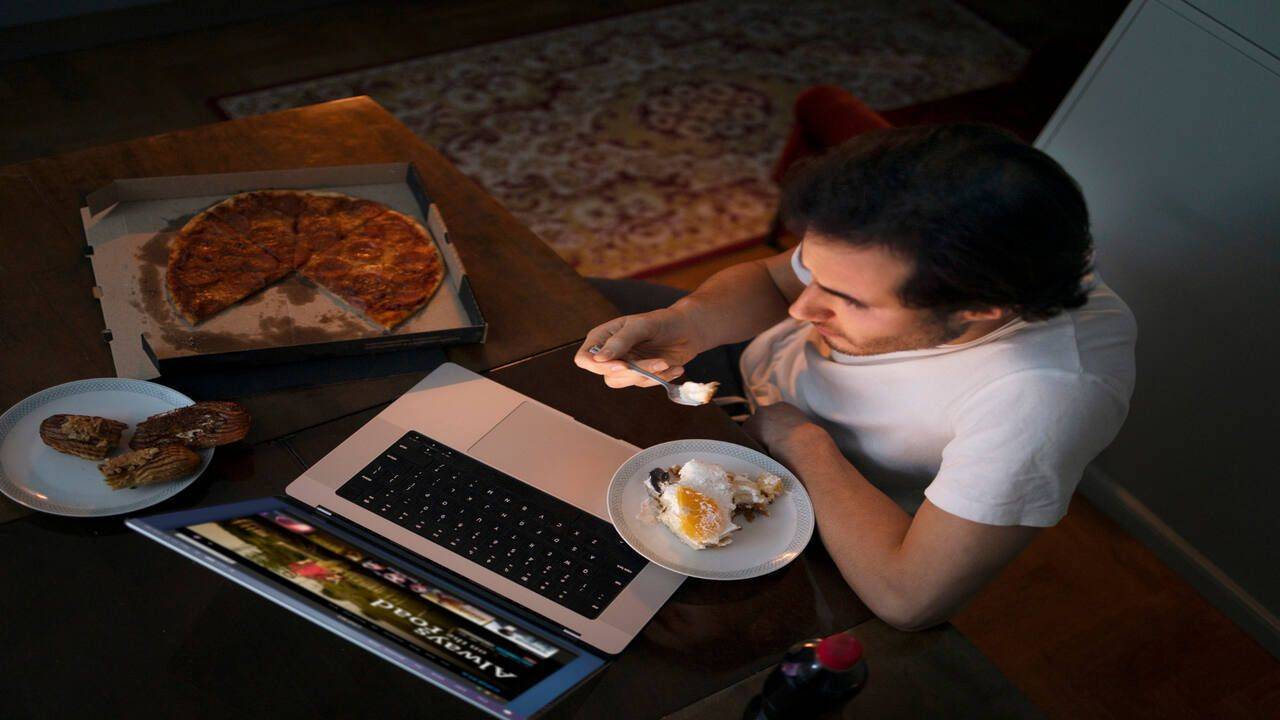
We’re all chasing one thing: a hit of dopamine.
It’s the brain’s “feel-good” signal. The problem isn’t dopamine itself. The problem is how we get it.
Most of us are used to getting dopamine the fast way:
- A sugary snack
- Chips
- Scrolling Instagram or TikTok
- Checking notifications
- Watching one more video
We hit the button → we feel good → the dopamine crashes → we need more.
This is the dopamine roller-coaster. It feels good for a moment — but it leaves us wanting more, more often, and with less satisfaction. This is why so many of us fall into:
- Stress eating
- Overeating at night
- Scrolling instead of sleeping
- Snacking during work
- Eating when we’re not hungry
It’s the brain reaching for the fastest dopamine source.
Why the Quick Dopamine Fix Keeps You Stuck
These fast dopamine habits have one thing in common:
They are designed to give pleasure without creating progress, growth, or real contentment.
You get:
- A spike
- A crash
- A craving for another hit
And you do it again tomorrow.
It’s not a lack of willpower.
It’s neurobiology.
Your brain will always choose the easiest dopamine source if you don’t guide it.
But here’s the breakthrough:
You can train your brain to prefer slow dopamine instead of fast dopamine.
What is Sustained Dopamine?
Sustained dopamine comes from actions that are slightly harder but produce long-term fulfillment:
- A morning walk
- Weight loss progress
- Drinking water instead of soda
- Journaling your thoughts
- Cooking a healthy meal
- Sticking to your OMAD or fasting window
These don’t feel as exciting in the moment…
but they give you:
- Stability
- Focus
- Emotional regulation
- Less anxiety
- Less overeating
Instead of the spike-crash-craving cycle, your brain gets steady satisfaction.
And here’s the beautiful part:
The more you choose sustained dopamine, the easier it becomes.
Your brain literally rewires.
It begins to crave what makes you feel better long-term, not just what gives you a quick hit.
Why is the slow dopamine path so powerful for weight loss?
Because emotional eating isn’t about food at all.
It’s about soothing something:
- Stress
- Boredom
- Exhaustion
- Relationship conflict
- Anxiety
- Loneliness
Food becomes a shortcut to feel good.
But when you switch to sustained dopamine sources:
- You don’t need food to calm emotions
- You don’t obsess about the next meal
- You stop craving the quick fix
- The urge to overeat begins to fade
Weight loss stops being a battle.
It becomes a side-effect of how you treat your brain.
This is how we break the cycle
Not by dieting harder.
Not by forcing willpower.
Not by saying “no” to food.
But by saying yes to better dopamine.
When you start choosing micro actions that give your brain a slow dopamine release — your relationship with food changes permanently.
This is how we build:
- Sustainable weight loss
- Better emotional control
- A calmer mind
- More energy
- Confidence
You’re not taking something away.
You’re replacing it with something better.
Try this today
Pick one sustained dopamine habit:
- Drink water
- Go for a short walk
- Pause before eating
- Write down one thought instead of avoiding it
- Put your phone away for 5 minutes
That one tiny action slowly rewires your brain.
The goal isn’t perfection.
The goal is stability.
Small shifts → Big results.
This is how you stop needing dopamine to feel good.
This is how you take your power back.
Learn more about personalized coaching schedule a complimentary consultation today.
